If you’re using an online chatbot, there’s a roughly a 0% chance that there’s any encryption keeping your conversations provably unreadable. This part of the conclusion is inevitable.
Still very glad there was an article with insider information though, because exposure like this is important.
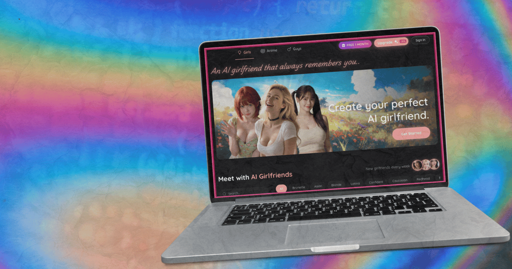
Chief among them was Seewa AI, which offered its users the “perfect AI girlfriend”, drew them in with intimate conversations and promised that all chats were strictly confidential. (They weren’t.)
End of the day, if it’s in the cloud instead of local — and this applies for pretty much any service, not just LLM models — you’re relying on trust in the service provider (as well as anyone who might buy them, and trust that they are able to secure their network against people who might break into it).
Only real exception to that is situations where you use client software from another source and the service provider only gets to see any data in encrypted form — think of someone providing storage for a
resticbackup, say.In 2026, we don’t have enough memory to do local LLM computation everywhere, so there’s a real limitation versus most other forms of SaaS — we can’t choose to run LLMs locally for more than a fraction of society. Cloud-based LLMs requires less memory to provision one machine in the cloud and share that hardware, since any one user is only using it a fraction of the time. But as the memory shortage ends, I expect you’ll have more people running LLMs locally. Still be more-expensive from a hardware standpoint than cloud computation, though.