

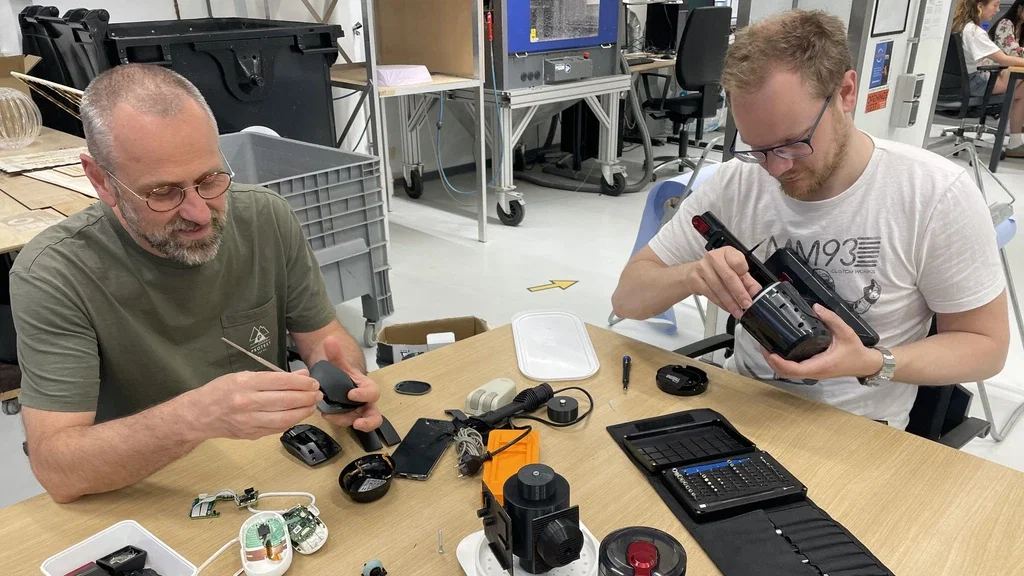
The products covered by the obligation to repair currently include:
- washing machines and washer-dryers
- dishwashers
- refrigerators
- electronic displays
- welding equipment
- servers and data storage products
- mobile phones, cordless phones and tablets
- tumble dryers
- e-bikes and e-scooters batteries (from 18 February 2027)
- local space heaters
the same apple that locks individual parts of devices to user accounts so that they can’t be used for repair?
Sounds like this is to prevent theft for parts. Considering it says right there that parts can be unlocked with the user’s account. So it’s the same mechanism that makes a stolen iPhone non-functional unless unlocked by the user.
sure but what if you buy one for parts?
Ask the previous owner to remove the locking, same way as they would need to if you bought the device to use it. What’s the problem?
Again, says right there they should just remove the device from ‘Find my’, which disables Activation Lock, the very same feature that prevents theft for reselling the device for regular use.
what if the phone is broken and has been disassembled?
The internet doesn’t stop existing when your phone breaks.
no but i’m not talking about me. i’m talking about tyler, 27, who just gets a new phone and doesn’t care about whatever accounts the old one had, so he throws it away and now the parts are available at a repair shop.
Same Apple. Signing new parts to your device is incredibly simple and DIY now.
https://www.ifixit.com/repairability/smartphone-repairability-scores
PROS
CONS
…but only if you buy the parts new.
I wouldn’t want to be putting second hand parts in my phone when repairing it. I can’t imagine there are many second hand screens or batteries around for sale given they’re the things that are replaced the most.
Not that I’d ever want a second hand screen or battery anyway.
Not an option if you love somewhere where official parts are not for sale.
i’m perfectly fine with buying third-party components.