Batteries would like a word. They’re already storing solar power, getting cheaper, and improving at a pace nuclear construction schedules can only dream of. For longer gaps, pumped hydro and thermal storage can pitch in. Turns out the answer isn’t one magical box, but a bunch of technologies that actually exist.
From what I know, for large scale solar farms, batteries arent there yet. The maintainance and replacement costs cut into the money saved by using solar by quite a lot.
From what I know there are many many many such projects in the permit phase in Germany, all of them run on capitalist interest without state funding. The only thing between now and them getting build is our government which seems to prefer a 180° turn into the fossil age.
Not enough to reduce the benefits to zero and that’s all we need. As improvements come in you can upgrade the batteries over time and get better and better margins. But the system is already good enough for deployment.
It’s not as easy as just replacing the batteries though, each battery needs its own infrastructure and from what I extrapolate it’s not very easy to just swap out.
Batteries for grid storage also don’t need to be compact or lightweight. High voltage infrastructure already has a lot of space where fossil fuel power plants used to be in formerly heavily industrialised places in Europe, we can make batteries the size of villages and not care about land use…
For long term storage most countries will need more than pumping hydro. But green hydrogen can be produced from wind and solar to use in times of need in claasic power plants adapted for hydrogen. This technology also exists. But it is very inefficient, so should and will he used only as a backup.
Difficult? Yes. But it’s a solved engineering problem. There are chemical industries that need hydrogen. It is being transported and stored for decades. There are even small pipelines in operation for a long time by now.
Which is stupid and insanely expensive, since methane itself is an insanely potent greenhouse gas and methane has plenty of fugitive emissions.but, back up a second: isn’t the main reason for banking so much methane in the winter… heating? Because we can easily 10x the efficiency and 100x the cost - efficiency, by skipping the hydrogen - methane crap and storing heat directly.
See, you can store heat trivially in insulated thermal mass. “Thermal mass” is basically just mass, I.e. dirt-cheap materials such as rocks or dirt. You can skip a whole raft of fluid-handling stuff (methane and hydrogen being fluids, and fluids requiring pipes, pumps, leakage handling, inspections etc) by just using electricity from summer solar to resistively heat a 20m-diameter cylinder full of rocks wrapped in 1m of insulation, and when you need heat in winter you can just run air through the vents to extract that heat. It’s based on 1950s technology (probably older tbh) and most of the materials are literally dirt-cheap. Hook it up to district heating and you have an effectively infinite battery to handle your winter heating needs, based on informed summer renewables costs. Sand, insulation, a big cylinder (probably the most expensive part), resistive heating, an air vent. None of it is expensive (except the land, but those 300sqm can be located underground if it helps) and it’ll last for a century because there’s nothing that can even break.
It’s basically just a bunch of sand wrapped in an electric blanket (and an actual blanket). It’s dead simple.
Compare all that to a hydrogen electrolyser on a river, with a chemical plant to transform the hydrogen into methane (with carbon from where, exactly?) then a pipe or tanker or truck to transfer the methane to a big methane storage cavern, which is then piped to an individual furnace to burn. That’s a Rube Goldberg machine.
Yep, it won’t replace batteries - it only solves part of the winter problem. But it solves that part very efficiently, and winter heating is a big part (at least, toward the poles it is).
I like to say that we need a series of half-solutions, instead of trying to create a perfect solution for everything all at once.
Depends on the size of the Thermos. The volume scales by the cube while surface-area (I.e. insulation) scales by square, which means it’s exponentially more efficient the larger it is.
Water (or coffee) might be more energy-dense (thanks to its phase-change to steam) which would make the coffee theoretically more efficient (although you’d ruin the coffee when you boil it) but handling fluids like boiled water is expensive (even just the pressure - water expands 1600x when boiling, that’s why steam engines work) where 500°C sand just isn’t. So the cost massively favours sand/rocks.


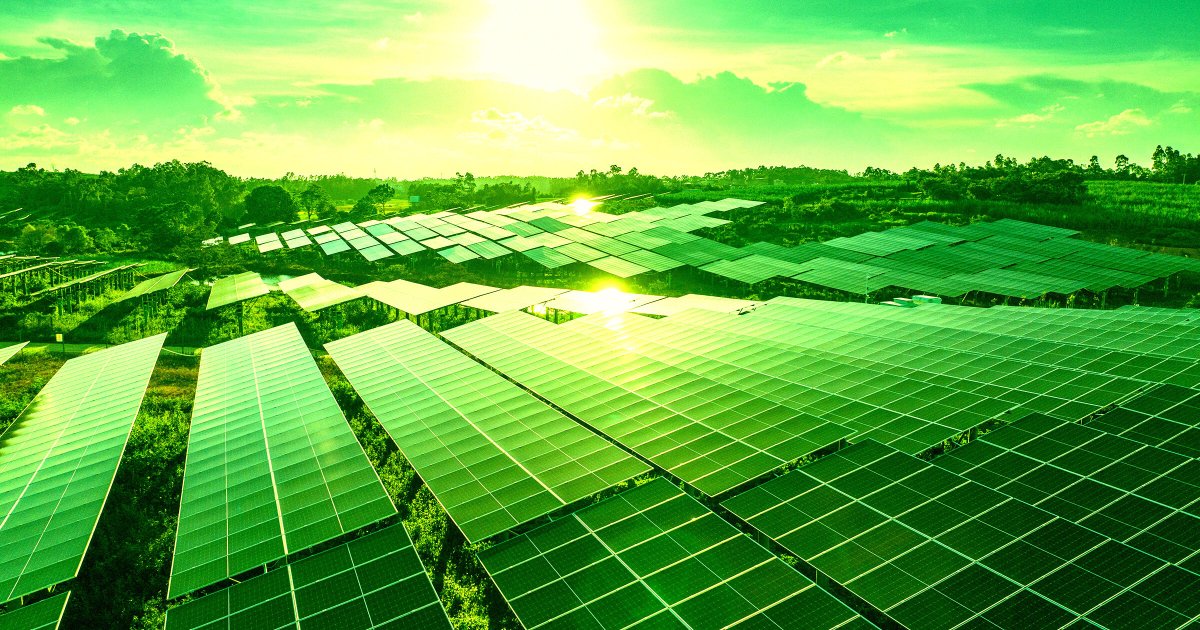
Batteries would like a word. They’re already storing solar power, getting cheaper, and improving at a pace nuclear construction schedules can only dream of. For longer gaps, pumped hydro and thermal storage can pitch in. Turns out the answer isn’t one magical box, but a bunch of technologies that actually exist.
From what I know, for large scale solar farms, batteries arent there yet. The maintainance and replacement costs cut into the money saved by using solar by quite a lot.
That’s outdated information, solar + batteries already reached parity in cost with nuclear and continue to get cheaper
Could you please point me to a place which talks about this new kind of system? Id like to read up on it.
From what I know there are many many many such projects in the permit phase in Germany, all of them run on capitalist interest without state funding. The only thing between now and them getting build is our government which seems to prefer a 180° turn into the fossil age.
Not enough to reduce the benefits to zero and that’s all we need. As improvements come in you can upgrade the batteries over time and get better and better margins. But the system is already good enough for deployment.
It’s not as easy as just replacing the batteries though, each battery needs its own infrastructure and from what I extrapolate it’s not very easy to just swap out.
Batteries for grid storage also don’t need to be compact or lightweight. High voltage infrastructure already has a lot of space where fossil fuel power plants used to be in formerly heavily industrialised places in Europe, we can make batteries the size of villages and not care about land use…
For long term storage most countries will need more than pumping hydro. But green hydrogen can be produced from wind and solar to use in times of need in claasic power plants adapted for hydrogen. This technology also exists. But it is very inefficient, so should and will he used only as a backup.
Hydrogen is also a huge pain to store. It’s really hard to keep it from leaking.
Difficult? Yes. But it’s a solved engineering problem. There are chemical industries that need hydrogen. It is being transported and stored for decades. There are even small pipelines in operation for a long time by now.
But it can be stored as Methane in exactly those containers that many countries already have at a large scale for their winters.
Which is stupid and insanely expensive, since methane itself is an insanely potent greenhouse gas and methane has plenty of fugitive emissions.but, back up a second: isn’t the main reason for banking so much methane in the winter… heating? Because we can easily 10x the efficiency and 100x the cost - efficiency, by skipping the hydrogen - methane crap and storing heat directly.
See, you can store heat trivially in insulated thermal mass. “Thermal mass” is basically just mass, I.e. dirt-cheap materials such as rocks or dirt. You can skip a whole raft of fluid-handling stuff (methane and hydrogen being fluids, and fluids requiring pipes, pumps, leakage handling, inspections etc) by just using electricity from summer solar to resistively heat a 20m-diameter cylinder full of rocks wrapped in 1m of insulation, and when you need heat in winter you can just run air through the vents to extract that heat. It’s based on 1950s technology (probably older tbh) and most of the materials are literally dirt-cheap. Hook it up to district heating and you have an effectively infinite battery to handle your winter heating needs, based on informed summer renewables costs. Sand, insulation, a big cylinder (probably the most expensive part), resistive heating, an air vent. None of it is expensive (except the land, but those 300sqm can be located underground if it helps) and it’ll last for a century because there’s nothing that can even break.
It’s basically just a bunch of sand wrapped in an electric blanket (and an actual blanket). It’s dead simple.
Compare all that to a hydrogen electrolyser on a river, with a chemical plant to transform the hydrogen into methane (with carbon from where, exactly?) then a pipe or tanker or truck to transfer the methane to a big methane storage cavern, which is then piped to an individual furnace to burn. That’s a Rube Goldberg machine.
Sounds great. Let’s do that. We’ll need electricity in winter too, though.
Yep, it won’t replace batteries - it only solves part of the winter problem. But it solves that part very efficiently, and winter heating is a big part (at least, toward the poles it is).
I like to say that we need a series of half-solutions, instead of trying to create a perfect solution for everything all at once.
Is that more or less efficient than filling a giant thermos with coffee?
Depends on the size of the Thermos. The volume scales by the cube while surface-area (I.e. insulation) scales by square, which means it’s exponentially more efficient the larger it is.
Water (or coffee) might be more energy-dense (thanks to its phase-change to steam) which would make the coffee theoretically more efficient (although you’d ruin the coffee when you boil it) but handling fluids like boiled water is expensive (even just the pressure - water expands 1600x when boiling, that’s why steam engines work) where 500°C sand just isn’t. So the cost massively favours sand/rocks.