Only about one-third of surveyed retailers plan to invest in self-checkout technology this year, significantly fewer than in 2025, according to an annual retail industry report. While...
the cashiers are not free to be transferred to more important work, they are fired. this is objectively bad.
regardless if you are scanning the items when putting them into the cart, or you are scanning them at the checkout point - you are now doing the cashiers work, but you are not compensated for your work. the price you pay is the same. you are now an employee, but without being paid. this is objectively bad.
when a scanning error happens, you are now responsible for it. the industry word for it is theft. you are a thief if your scan isn’t correct. the responsibility shifted away from a worker with (depending on locale, forget the US for a moment) insurance and workers rights, allowing for smaller mistakes. But the retailer isn’t picking up the responsibility, it just heaps it on the customer. As they did with the work. this is objectively bad.
depending on the efficiency of this system, the retailer chains (not stores, the chains) are increasing profits. the workers and the customers don’t see a dime of that. this is objectively bad.
A store near me in germany has recently switched a number of rows to self checkout. Absolute chaos, nobody wants it, long rows on the few chashier points. I saw it exactly one time, told me what i think, they tried to sell me the convenience, i told them what i wrote here plus that they are located in a commercial area, not a mixed housing/commerce area. Nobody goes there to buy a handful of stuff. People came for “Hamsterkäufe” (german colloquial, hamstering essentially: buying large quantities for reserve), self checkout is not convenient. I will not visit there anymore, there are other stores who don’t do this crap.
reduction in labour requirements is good, scanning errors should have updated legislation so that the company is responsible for reasonable mistakes, capitalism incentivizes improvements in efficiency and rewards it with increased profits.
because, in theory, it will lead to a reduction in prices. In practice this requires a highly competitive market that would exist significantly more if the antitrust laws were enforced.


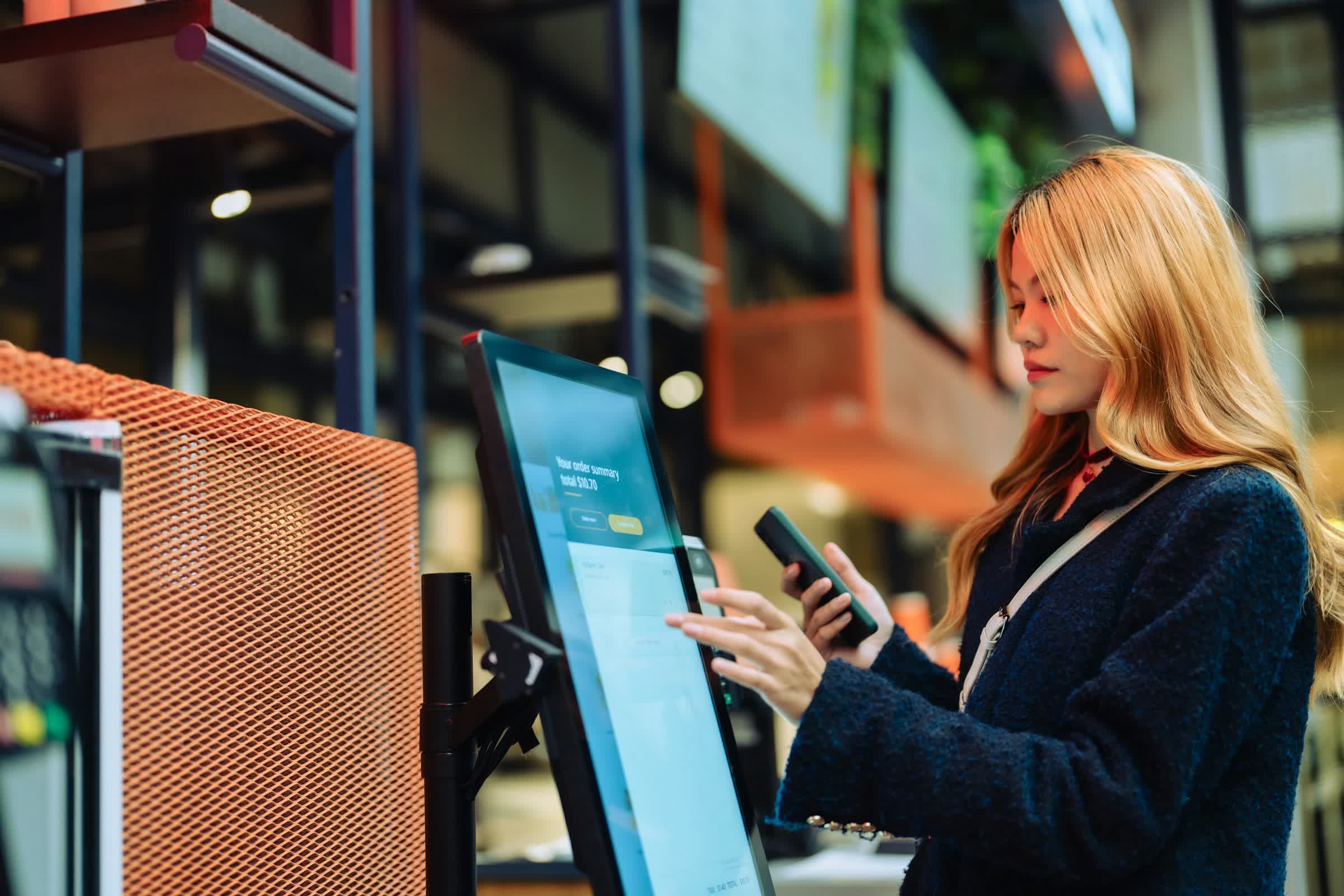
Self Checkout hat serious drawbacks:
A store near me in germany has recently switched a number of rows to self checkout. Absolute chaos, nobody wants it, long rows on the few chashier points. I saw it exactly one time, told me what i think, they tried to sell me the convenience, i told them what i wrote here plus that they are located in a commercial area, not a mixed housing/commerce area. Nobody goes there to buy a handful of stuff. People came for “Hamsterkäufe” (german colloquial, hamstering essentially: buying large quantities for reserve), self checkout is not convenient. I will not visit there anymore, there are other stores who don’t do this crap.
I wonder if anyone has become injured during self checkout and attempted a workers compensation claim
reduction in labour requirements is good, scanning errors should have updated legislation so that the company is responsible for reasonable mistakes, capitalism incentivizes improvements in efficiency and rewards it with increased profits.
Why is it good for anyone else?
because, in theory, it will lead to a reduction in prices. In practice this requires a highly competitive market that would exist significantly more if the antitrust laws were enforced.
Until unions are strong and anti compeition has a spine, labour efficiency should not be championed.
unions are just workers forming a monopoly
Do you know what monopoly means?
a single supplier of a good or service, workers supply labour to those that want to purchase it.
Neither are true
AKA trickle down economics. Thats worked really well
did trickel down economics not promote the exact opposite of antitrust enforcement?