

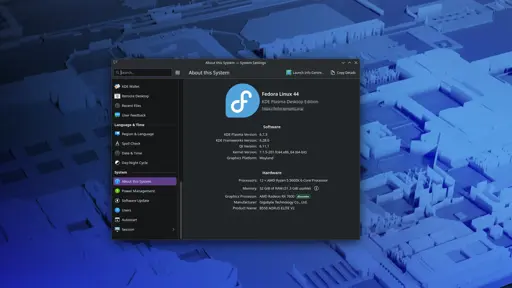
Two years into full-time Linux and I’m finally burning the distro-hopping cycle. I fell for the Arch/AUR trap for a while, but I got tired of spending my weekends debugging file manager crashes instead of maintaining my home lab.
Switched back to Fedora, and it’s boring in exactly the way I need it to be. It’s a stable launchpad for my projects, not the project itself.
Staying compatible with LTS releases should absolutely be the goal, but that takes work from both sides.
If Debian is applying backported patches to old software (I think the oldest version I saw was 6 years out of support) that generates a nightmare to support for package maintainers. If there are features which are not supported since the version is so old, but there are backported security patches which change the API, the developers would essentially have to maintain a specific version for each LTS distro’s specific set of patches, and the number of versions you have to maintain and the length of time you need to maintain them for quickly becomes impossible to manage.
Stable is nice, but you can have stability without being criminally outdated, as Trixie shows. The ideal is to have a stable and up to date distribution.
And yes, most users would be fine due to just being in the browser, but thats true of literally any OS or distro, not specific to this.