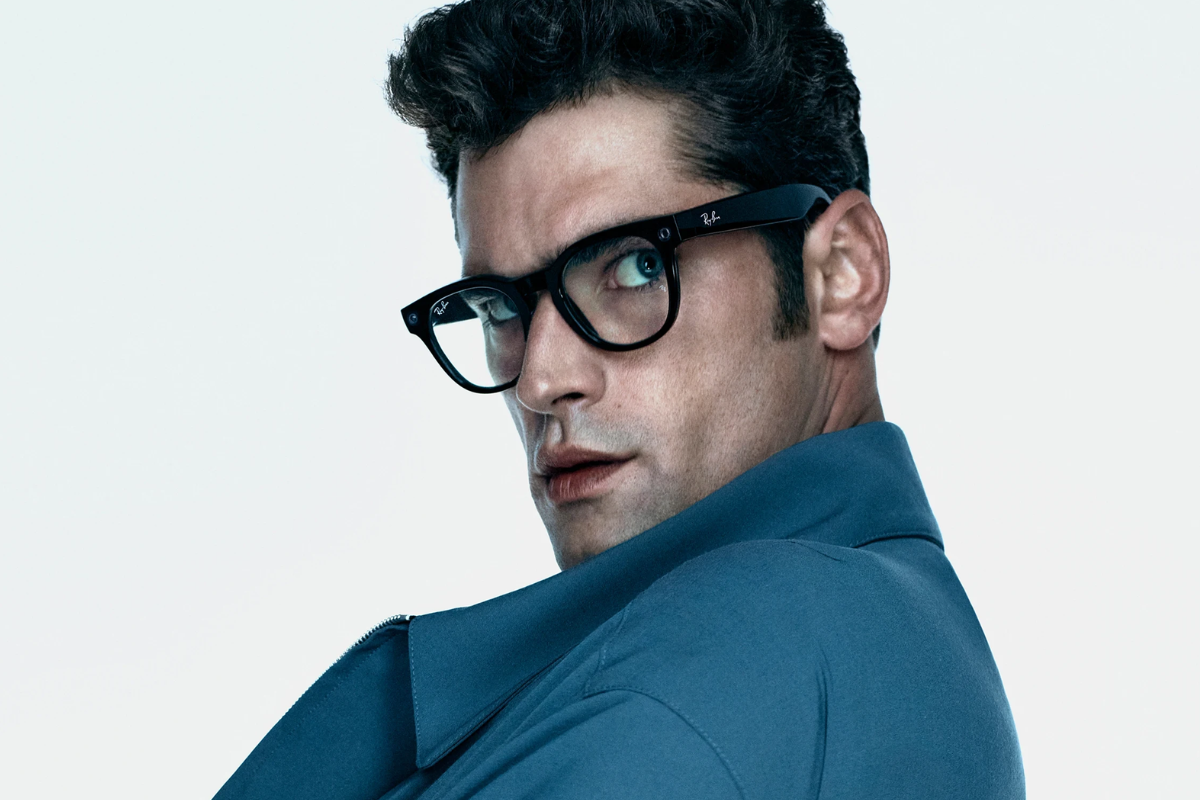
A woman's discomfort with a doctor wearing smart glasses during a consultation has sparked debate over privacy and the use of camera-equipped technology in healthcare settings.
By default, patents trust doctors with their bodies so they don’t expect the doctor to do shady stuff like record them with a hidden camera. However, the moment they see something that suggest they might be recording,then the hidden voice awakens and questions everything the doctor has done in a new, not so trustworthy way.
It’s not that patients think that doctors who wear those glasses won’t have a hidden camera too, it’s that doctors who have those glasses might also have a hidden camera, it’s the fact that they have those glasses that opens the patient to other shady possibilities.
These hypothetical doctors almost certainly have a smartphone with them every time they enter the room. Why doesn’t that trigger this loss of trust effect? That can certainly (and arguably more easily) secretly record audio and video.
Smartphones haven’t been called “pervert boxes”. It’s the implication of what someone that would buy and wear the glasses would also be able to do.
We implicitly trust doctors just because doctors are generally trustworthy for body things. At the same time, the pervert glasses are called pervert glasses because people have used them for that stuff and we implicitly distrust people that wear them because of the implication.
So if I see a doctor with pervert glasses on even go they are not recording, I’m immediately distrustful of their phone too. The trust of them being a doctor is immediately broken.
I hope I was clear, it’s not if the phones can more easily record or not, it’s the current general perception of those glasses and how it warps peoples perception of others.
I don’t know how old you are, but when smartphones were first on the market there was real concern that people (presumably “perverts”) would use them to take pictures of people without their knowledge. I recall that there was even a push for legislation to require smartphone cameras to make noises when taking a picture, in response to this concern.
And look at how you’re describing them. “Pervert glasses”. Are legally blind people who use this technology to better navigate the world “perverts”?
It seems like the real concern is that so-called smart glasses are new, not that they actually change much. If/When they become aa commonplace as phones, I’m guessing no one will even notice them, just as we do with everyone having a phone.
I was around when smartphones were introduced to the market, I had to learn how to use them and teach everyone on my family, and I don’t recall the concern. Maybe I was too young to care.
In any case, I’m not against what you are presenting here not the technology itself, I’m just telling you why the trust is being broken. As you described it with phones, context matters, and the fact that the main glass producers right now are who they are is a massive factor on public perception.
In fact, I use glasses and it would be cool to have some AR on them. I hope that the huge negative perception of these glasses push others to create more security/privacy aware glasses and expand the market so people that have real use for them like blind people can make use of the technology without being subjected to the negative perception of the RayBan Meta glasses.


You are not understanding the trust issue.
By default, patents trust doctors with their bodies so they don’t expect the doctor to do shady stuff like record them with a hidden camera. However, the moment they see something that suggest they might be recording,then the hidden voice awakens and questions everything the doctor has done in a new, not so trustworthy way.
It’s not that patients think that doctors who wear those glasses won’t have a hidden camera too, it’s that doctors who have those glasses might also have a hidden camera, it’s the fact that they have those glasses that opens the patient to other shady possibilities.
As others have said, trust is broken.
These hypothetical doctors almost certainly have a smartphone with them every time they enter the room. Why doesn’t that trigger this loss of trust effect? That can certainly (and arguably more easily) secretly record audio and video.
I just thought it was interesting.
Smartphones haven’t been called “pervert boxes”. It’s the implication of what someone that would buy and wear the glasses would also be able to do.
We implicitly trust doctors just because doctors are generally trustworthy for body things. At the same time, the pervert glasses are called pervert glasses because people have used them for that stuff and we implicitly distrust people that wear them because of the implication.
So if I see a doctor with pervert glasses on even go they are not recording, I’m immediately distrustful of their phone too. The trust of them being a doctor is immediately broken.
I hope I was clear, it’s not if the phones can more easily record or not, it’s the current general perception of those glasses and how it warps peoples perception of others.
I don’t know how old you are, but when smartphones were first on the market there was real concern that people (presumably “perverts”) would use them to take pictures of people without their knowledge. I recall that there was even a push for legislation to require smartphone cameras to make noises when taking a picture, in response to this concern.
And look at how you’re describing them. “Pervert glasses”. Are legally blind people who use this technology to better navigate the world “perverts”?
It seems like the real concern is that so-called smart glasses are new, not that they actually change much. If/When they become aa commonplace as phones, I’m guessing no one will even notice them, just as we do with everyone having a phone.
I was around when smartphones were introduced to the market, I had to learn how to use them and teach everyone on my family, and I don’t recall the concern. Maybe I was too young to care.
In any case, I’m not against what you are presenting here not the technology itself, I’m just telling you why the trust is being broken. As you described it with phones, context matters, and the fact that the main glass producers right now are who they are is a massive factor on public perception.
In fact, I use glasses and it would be cool to have some AR on them. I hope that the huge negative perception of these glasses push others to create more security/privacy aware glasses and expand the market so people that have real use for them like blind people can make use of the technology without being subjected to the negative perception of the RayBan Meta glasses.